
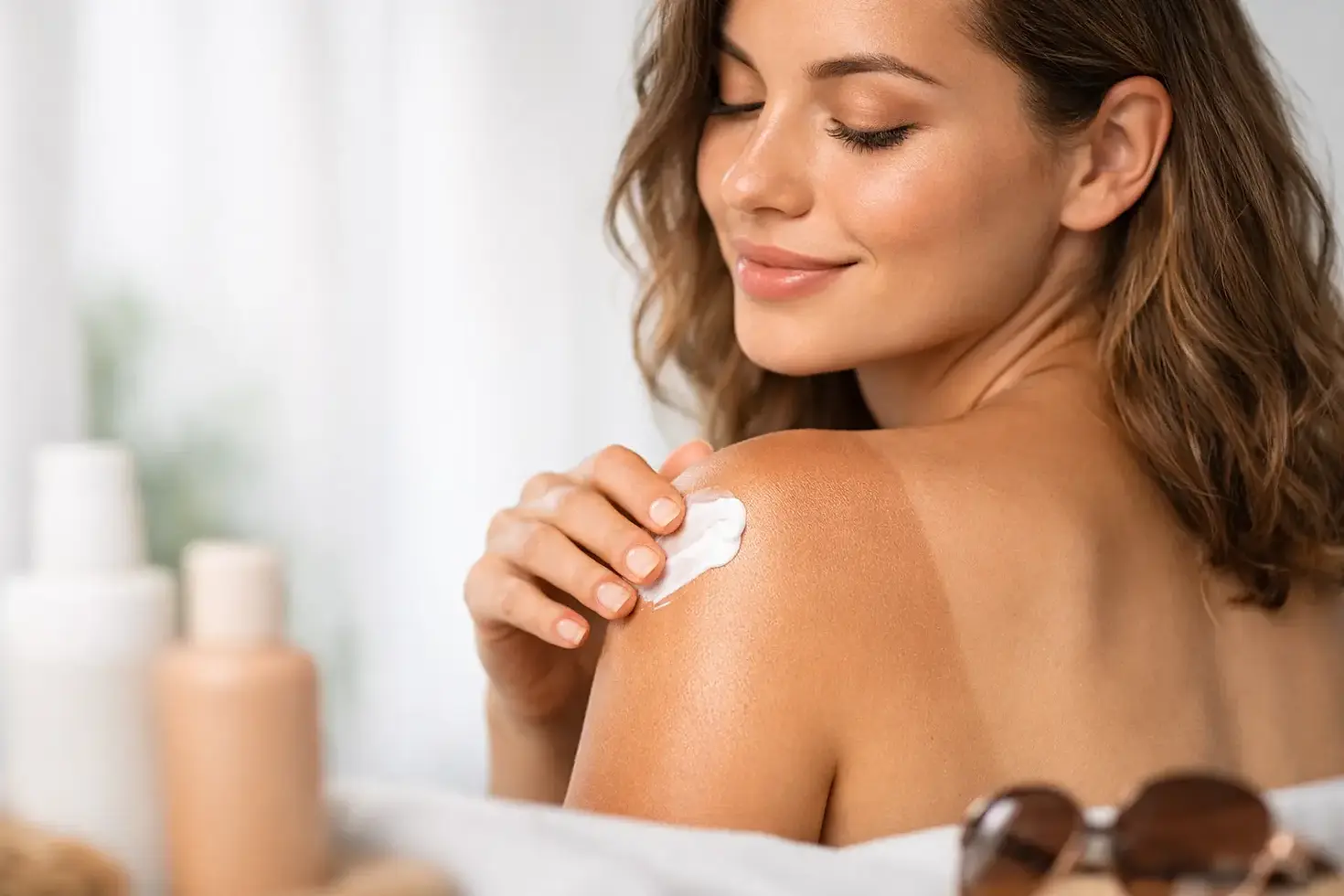
Uneven Tan Correction for a Smooth, Natural Glow

A patchy wrist, dark ankles, streaky knees, or a neckline that did not quite match the rest of you can feel surprisingly loud when you are getting dressed. The good news: uneven tan correction does not have to mean scrubbing your skin raw or hiding beneath long sleeves until further notice. With a little patience, gentle care, and the right plan, you can soften the contrast and get back to a glow that looks naturally lit from within.
A tan is meant to be a confidence booster, not one more thing on your mental checklist. Whether your color came from self-tanner, a spray tan, or extra time in the Minnesota sunshine, take a breath. Your skin is not failing you. It is simply asking for a more thoughtful reset.
Why uneven tans happen in the first place
Sunless color develops most deeply where skin is dry, textured, or naturally thicker. That is why hands, feet, knees, elbows, ankles, and underarms are common trouble spots. Those areas tend to hold onto extra tanning solution, while areas that experience more friction - think inner thighs, bra lines, waistbands, and the backs of knees - may fade more quickly.
Prep plays a role, too. Lotion, deodorant, perfume, sweat, and leftover body oil can create a barrier between skin and solution. Shaving immediately before a tan may leave pores more visible, while shaving after can lift color away in uneven little tracks. Then there is real life: workouts, hot showers, dry winter air, swimming, and fitted clothes all affect how a tan wears.
If the unevenness is from UV exposure rather than a sunless tan, the approach changes slightly. A natural sun tan fades on its own timeline, and aggressive exfoliation will not erase it overnight. Your best move is to protect skin from more sun exposure and use gradual color strategically while your natural pigment evens out.
Uneven tan correction starts gently
The instinct to attack a blotchy tan with the roughest scrub in the shower is understandable. It is also usually the fastest route to irritated, even drier skin. Dry, inflamed skin can make color cling more stubbornly, so think soft reset rather than punishment.
Start with a warm shower or bath to soften the outermost layer of skin. Use a gentle exfoliating mitt or soft washcloth with a mild body cleanser, focusing only on the darker areas. Work in small circles and keep the pressure light. A little patience today protects tomorrow's glow.
Afterward, pat skin dry and apply a simple, fragrance-free moisturizer. Give your skin time to settle before deciding whether you need another round of exfoliation. If a very dark patch remains, repeat this process once daily for a day or two instead of doing one dramatic scrub session.
Avoid bleach, harsh household ingredients, abrasive pumice tools, or picking at peeling skin. Those internet shortcuts can compromise your skin barrier and leave you with irritation that is far more noticeable than the original tan line.
For hands, feet, knees, and elbows
These high-absorption zones need the most care. Apply a richer moisturizer to the area first, let it sit for a few minutes, then gently buff only where color has built up. For knuckles and cuticles, use a damp cotton pad or soft towel after showering rather than a gritty scrub.
If you plan to add color back afterward, use the lightest possible touch. A tiny amount of gradual tanning lotion blended carefully over the area is often more believable than trying to match a deep body tan in one application. Hands and feet should generally be one shade softer than the rest of the body. That difference reads natural.
When to blend, touch up, or fully reset
Not every uneven tan needs a complete removal. The best choice depends on how noticeable the contrast is, how soon you need to be somewhere, and whether your skin feels calm and healthy.
If you have one or two slightly pale spots, blending may be enough. Use a gradual tanner or a small amount of sunless mousse on a clean mitt, then lightly sweep it across the lighter area and feather the edges outward. Less product is your friend. Let it develop fully before adding more.
If you have dark knees but the rest of your color still looks lovely, spot correction is the more elegant choice. Gently fade the darker areas, moisturize, and leave the rest alone. Trying to make every inch perfectly identical can create a cycle of overcorrecting.
A full reset makes sense when streaks run across several areas, the color has turned patchy all over, or you need an especially polished canvas for a wedding, vacation, photo session, or big event. Give yourself enough time for a gentle removal process, hydration, and a fresh application. A same-day correction can help in a pinch, but it may not produce the refined finish you want for close-up photos.
The professional fix: customized color, not more color
When you are tired of guessing, a professionally applied spray tan can make uneven tan correction feel much less stressful. A trained artist can assess where old color is lingering, where your skin is dry, and what depth will complement your current complexion. That means adjusting the solution and application instead of simply layering a darker formula over a complicated canvas.
At Minnes☀️Tan, every color is artist-mixed and hand-applied with your skin tone, schedule, and desired finish in mind. The pH spray and finishing powder are included with every tan, helping create a smoother, more comfortable application from the start. It is detail work, and detail work matters when your goal is soft, even, believable bronze.
For a fresh professional tan after uneven fading, be honest at your appointment about what happened. Mention old self-tanner, recent sun exposure, dry patches, shaving, workouts, and your event date. That information is not embarrassing. It helps create the kind of plan that makes you feel cared for, rather than rushed through a one-size-fits-all service.
Give yourself a little timing cushion
For major events, schedule your tan trial or fresh tan with room to breathe. Ideally, do not wait until the night before an early-morning photoshoot to experiment with a new remover, a new lotion, or a new tanning formula. Stress has a way of turning tiny beauty details into enormous ones.
A good ritual can be grounding: shower, exfoliate gently, moisturize your dry zones, choose comfortable loose clothing, and let someone else handle the artistry. Looking put together is not a requirement for confidence, but it can be a sweet reminder that you are allowed to take up space, be seen, and feel fabulous doing it.
How to keep your next tan even as it fades
The most beautiful tans are maintained, not chased. Moisturize daily with a tan-friendly lotion, use lukewarm water when possible, and pat dry instead of rubbing. Skip long hot baths and heavily exfoliating body washes when you want color to last. If you work out often, blot sweat gently and change out of damp clothing when you can.
Before your next spray tan, exfoliate the day before rather than moments before your appointment. Complete shaving or waxing in advance, arrive with clean skin free of lotion, deodorant, makeup, and perfume, and wear loose dark clothing afterward. These small details give your custom color the cleanest, most even surface to develop.
If unevenness is paired with a rash, burning, swelling, cracking, or persistent itch, pause the tanning products and speak with a medical professional. Glowing skin should feel good, not uncomfortable.
Your tan does not need to be perfect to be pretty. Give your skin some grace, choose the gentlest correction for what you are seeing, and remember that a little warmth can be the finishing touch to a day you are already more than ready to handle.


Comments